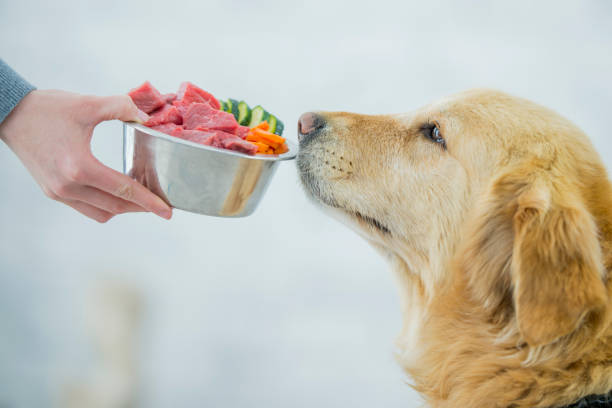
We share our hearts and homes with our d0gs. Surely there is nothing wrong with sharing our favorite people foods with our dogs too, right? Not necessarily.
In This Article
Many of the foods, such as fruits and vegetables, that people digest just fine can wreak havoc on a dog’s body, causing severe health problems. On the other hand, some of the foods people eat can be introduced to a dog’s diet just fine, and even provide health benefits such as joint strength, better breath, and allergy immunity.
Human Foods Dogs Can Eat
Here are some common human foods that are generally safe for dogs to eat:
Bread
Small amounts of plain bread won’t hurt your dog, as long as it contains no spices and definitely no raisins. However, it won’t provide any health benefits. It has no nutritional value and can really pack on the carbohydrates and calories, just like in people. Homemade breads are a better option than store-bought, as bread from the grocery store typically contains unnecessary preservatives, but it’s best to avoid it altogether.
Cashews
Cashews are OK for dogs, but only feed a few at a time. They’ve got calcium, magnesium, antioxidants, and proteins. However, while these nuts contain less fat than others, too many can lead to weight gain. A few cashews make a nice treat, but only if they’re unsalted.
Cheese
Dogs can eat cheese in small to moderate quantities. As long as your dog isn’t lactose intolerant, which is rare, but possible, cheese can be a great treat. Many kinds of cheese can be high in fat, so go for lower-fat varieties like cottage cheese or mozzarella. Many dogs also enjoy their very own dog-specific Himalayan dog chew made of dried cheese.

Sonja Rachbauer via Getty Images
Coconut
This funky fruit contains lauric acid, which can help combat bacteria and viruses. Coconut can also help with bad breath and clearing up skin conditions like hot spots, flea allergies, and itchy skin. Coconut milk and coconut oil are safe for dogs, too. Just be sure to keep the furry outside of the shell away from your dog, since it can get lodged in their throat.
Corn
Corn is one of the most common ingredients in most dog foods. However, the cob can be hard for a dog to digest and may cause an intestinal blockage, so if you’re sharing some corn, make sure it is off the cob. You can also just opt for a squeaky corn toy instead!
Eggs
Eggs are safe for dogs as long as they are fully cooked. Cooked eggs are a wonderful source of protein and can help an upset stomach. However, eating raw egg whites can contribute to biotin deficiency, so be sure to cook the eggs all the way through before giving them to your pet.
Fish
Fish contains good fats and amino acids, giving your dog a nice health boost. Salmon and sardines are especially beneficial — salmon because it’s loaded with vitamins and protein, and sardines because they have soft, digestible bones for extra calcium. With the exception of sardines, be sure to pick out all the tiny bones, which can be tedious but is definitely necessary.
Never feed your dog uncooked or undercooked fish, only fully cooked and cooled, and limit your dog’s fish intake to no more than twice a week.
Ham
Ham is OK for dogs to eat, but certainly isn’t the healthiest for them. It’s high in sodium and fat, so while sharing a small piece is all right, it shouldn’t be a continuous habit.

©Africa Studio – stock.adobe.com
Honey
Honey is packed with countless nutrients, such as vitamin A, potassium, calcium, magnesium, copper, and antioxidants. Feeding dogs small amounts of honey can help with allergies because it introduces small amounts of pollen to their systems, building up immunity to allergens in your area. In addition to consuming honey, the sticky spread can also be used as a topical treatment for burns and superficial cuts.
Milk
Dogs can have milk, but be cautious. Some dogs are lactose-intolerant and don’t digest milk well. While it’s OK for dogs to have a little milk, owners should be aware of the symptoms of lactose-intolerance and might want to stick to giving their dogs water.
Peanut Butter
Peanut butter can be an excellent source of protein for dogs. It contains heart-healthy fats, vitamins B and E and niacin. Raw, unsalted peanut butter is the healthiest option. Read the label carefully to be sure the peanut butter does not contain xylitol, a sugar substitute that can be toxic to dogs.
Peanuts
Unlike almonds, peanuts are safe for dogs to eat. They’re packed with good fats and proteins that can benefit your dog. Just be sure to give peanuts in moderation, as you don’t want your dog taking in too much fat, which can lead to pancreas issues. Also, avoid salted peanuts. Too much salt is hard for dogs to process.
Popcorn
Unsalted, unbuttered, air-popped popcorn is OK for your dog in moderation. It contains riboflavin and thiamine, both of which promote eye health and digestion, as well as small amounts of iron and protein. Be sure to pop the kernels all the way before giving them to your dog, as unpopped kernels could become a choking hazard.
Pork
Pork is a highly digestible protein, packed with amino acids, though it contains more calories per pound than other meats. It also may be less likely to cause an allergic reaction in some pets compared to other proteins.
Quinoa
You can now find quinoa in some high-quality dry dog foods. The strong nutritional profile of quinoa makes it a healthy alternative to corn, wheat, and soy — starches that are often used to make kibble.